

When a heavy Texas storm rolls through, the last thing you want is a swimming pool forming under your house. You might not notice it at first. Then the musty smell hits. A wet crawlspace is a nightmare that can lead to rotting wood, shifting foundations, and nasty mold creeping into your living room. At In The Gutter, we see homeowners fighting this exact battle every single week. In reality, most of this standing water comes straight off your roof. If you want to fix the problem at the source, investing in durable gutter guards in Spring, TX, is one of the smartest moves you can make to push that runoff far away from your property.
Key Takeaways
- Uncontrolled roof runoff dumps hundreds of gallons of water directly against your foundation, leading to severe crawlspace flooding.
- Keeping leaves and pine needles out of your channels prevents the overflow that saturates the soil under your home.
- Moving water at least three to five feet away from the base of the house is essential to keep the space beneath your floorboards completely dry.
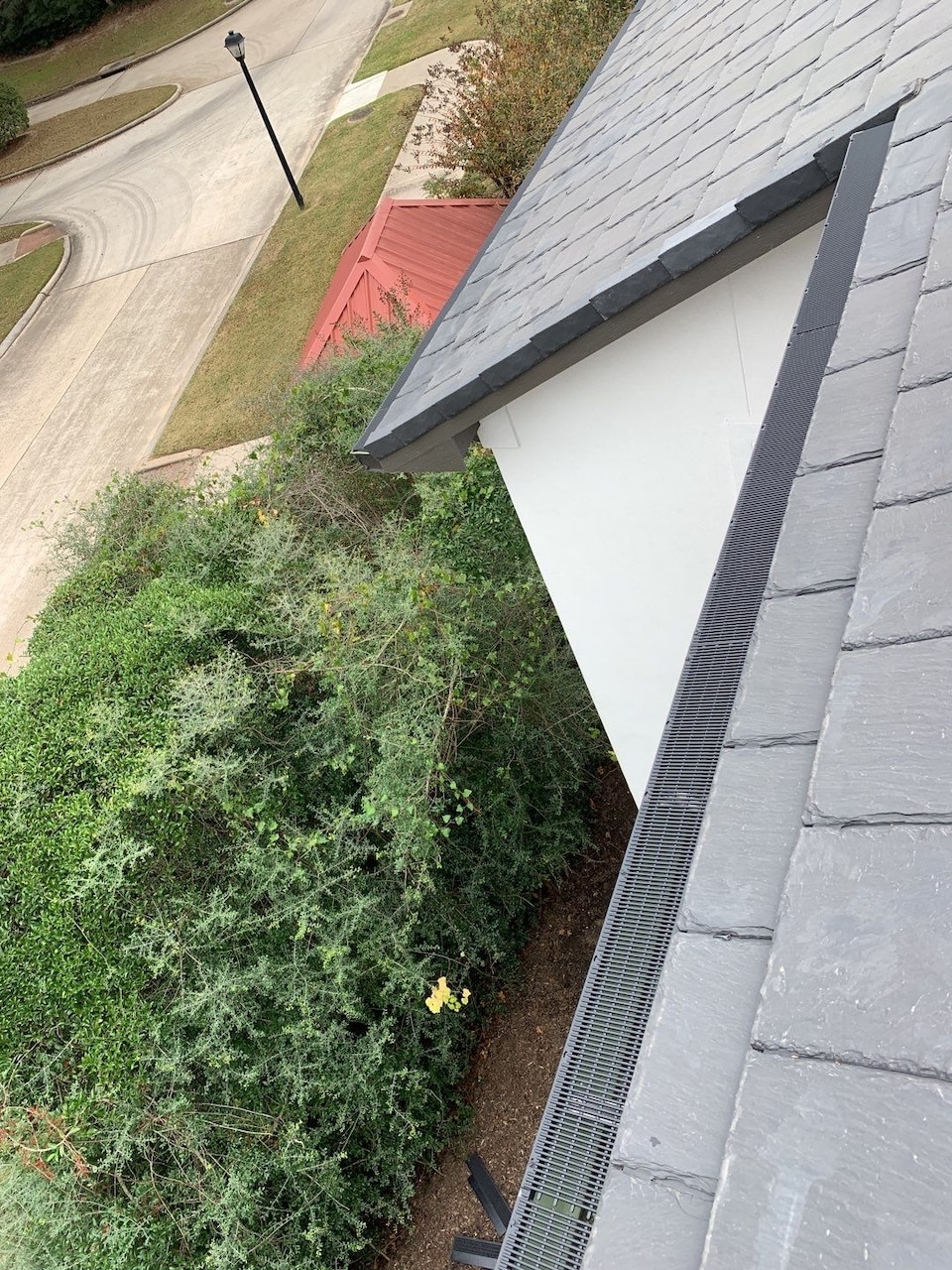
How Does Uncontrolled Roof Runoff Flood Your Crawlspace?
When rainwater has nowhere to go, it pools at the lowest point, which is usually right against your house. If your troughs are clogged with wet leaves, the water spills over the front lip and crashes down near the base of your brick. The soil absorbs this massive volume of water, and it eventually seeps directly through the foundation vents or cracks, creating a damp, muddy mess underneath your floors.
Fixing rot down there costs a fortune. The moisture gets trapped. Once the localized humidity spikes, the wooden joists holding up your floor act like a sponge.
Will Installing A Leaf Cover System Keep The Soil Dry?
A clean, functioning drainage system is your primary defense against foundation damage. By shielding the channels from debris, a solid cover ensures the water flows smoothly toward the downspouts instead of overflowing into your flowerbeds.That is exactly why installing proper gutter guards in Spring, TX, changes the game. It stops the clogs before they even start. Even during heavy spring downpours, your system handles the volume without spilling a drop onto the dirt below. You stay off the ladder, and your foundation stays dry.
Practical Steps To Shield Your Foundation From Standing Water
- Assess the Overflow Spots: Walk your property during a storm to see exactly where the water spills over the roofline. Pinpointing these heavy overflow zones tells you exactly where the soil is getting saturated.
- Upgrade the Capacity: Standard five-inch channels easily get overwhelmed by steep, complex roofs. Upgrading to six-inch seamless troughs helps keep water contained during a serious deluge.
- Block The Debris: Pine needles and oak leaves will destroy the flow of any open system in a matter of weeks. Adding roof gutter guards Spring, TX, homeowners also trust keeps those channels permanently clear.
- Extend the Downspouts: Dropping water right at the base of the exterior wall just creates a different puddle. You must push that discharge at least three to five feet into the yard to protect the crawlspace.
Important Terminology For Protecting Your Property
- Fascia Board: The wooden trim holding your system in place. When clogs happen, water backs up and rots this wood fast.
- Splash Blocks: Concrete or heavy plastic ramps that sit directly under your downspouts to break the force of the water and push it outward.
- Seamless Aluminum: Custom-cut metal rolled out on-site. Combining seamless metal with quality gutter guards in Spring, TX, removes the weak points where leaks develop.
- Hydrostatic Pressure: The massive weight of waterlogged soil pushes against your foundation walls, eventually causing cracking and bowing.
We inspect properties where homeowners think they have a high water table, but the real issue is often a blocked valley on the roof. When pine straw dams up the corner, a localized waterfall dumps hundreds of gallons onto one specific flowerbed. That water inevitably finds its way into the crawlspace. Once we clean the system out and install top-rated gutter guards that Spring, TX, properties use to block debris, the crawlspace dries out naturally within a few weeks. It really is that straightforward. Stop the spill, and you stop the dampness.
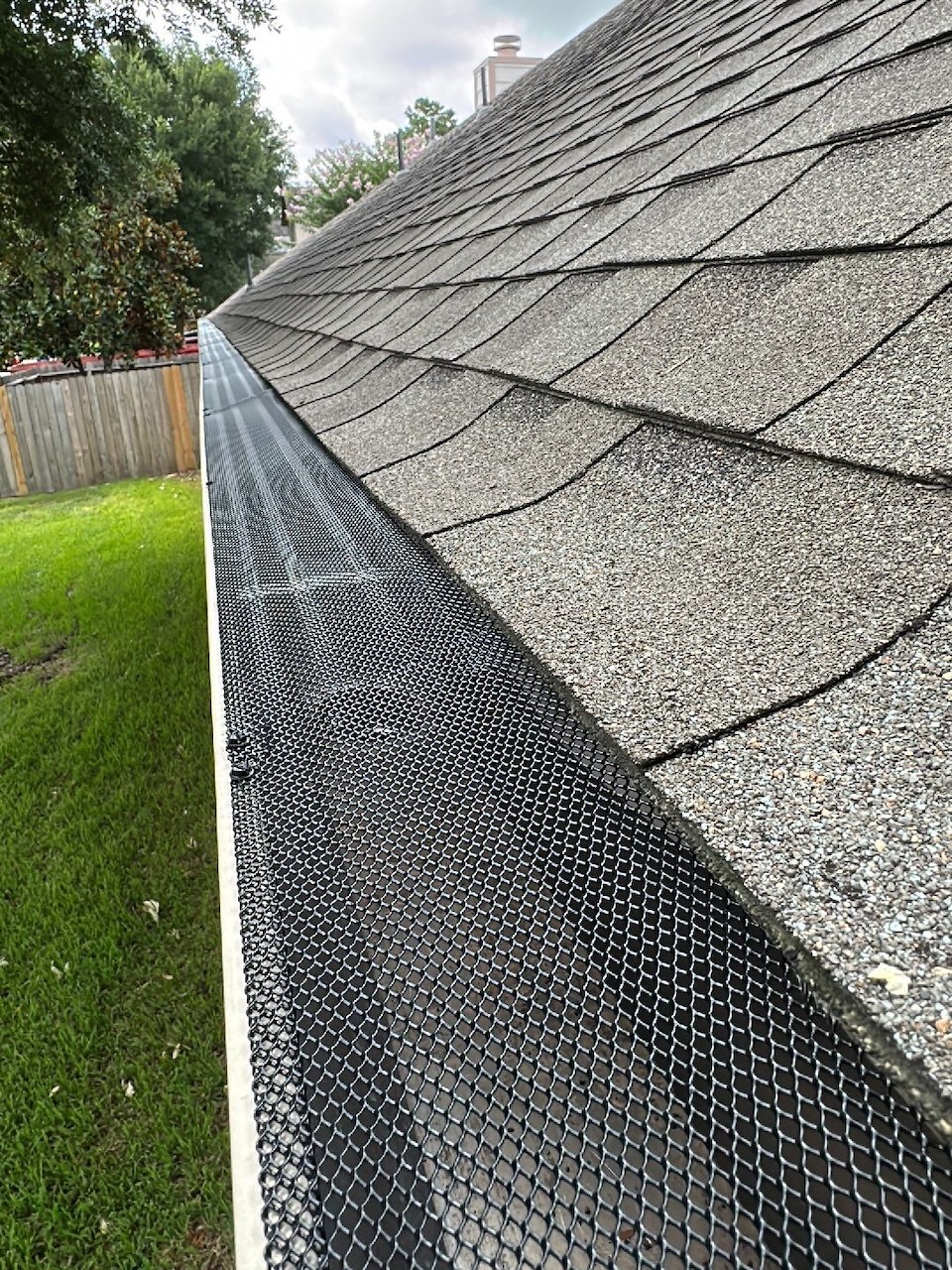
Ready To Defend Your Home From Water Damage?
Stop letting seasonal storms wreak havoc on your foundation and crawlspace. Controlling where the rain goes is the cheapest insurance policy you can buy for your home’s structural integrity. When you are ready to upgrade your drainage and install reliable gutter guards in Spring, TX, we are here to handle the heavy lifting. Call (832) 620-7053
Can Downspout Extensions Help Keep A Crawlspace Dry?
Yes, they are critical for moving the water volume away from the foundation. If your downspout empties right next to the wall, that water will just seep back under the house. Pushing the flow several feet into the yard stops the soil from becoming saturated.
How Often Do Open Gutters Need Cleaning To Prevent Overflow?
Without covers, you generally need to clean them out twice a year. However, if your property is surrounded by heavy tree cover, you might need to scoop them out every three months to prevent the troughs from backing up and flooding the perimeter.
Does Pooling Water Damage Pier And Beam Foundations?
Absolutely, constant exposure to water degrades the supporting structures over time. When water pools beneath the home, it softens the soil supporting the concrete piers, leading to sinking, shifting, and uneven floors inside the house.
Will Leaf Covers Work In Neighborhoods With Heavy Pine Needles?
Yes, but you need the right micro-mesh design. Cheap plastic covers let pine needles slip right through, but professional-grade gutter guards that Spring, TX locals rely on block the smallest debris while still letting water through.
Can Pressure Washing Remove Mold Caused By Crawlspace Moisture?
It cleans the surface, but it will not fix the core problem. If you wash the brick or siding without fixing the drainage that floods the crawlspace, the dampness will remain, and the organic growth will return after the next heavy rainstorm.